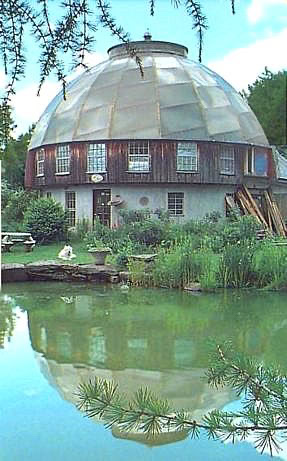
Living inside of a green-roof, garden-attic in cold winter climates with warm summers is all possible, and was tested here since the 1970s.
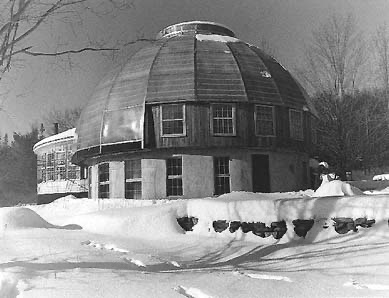
The above pictures were taken around 1995, after the first, major renovations, of our translucent attic dome, and 15 years after the first shell was built, (at low cost and strategically piecemeal.
Transpiration by plants and evaporation generally improves indoor humidity. Un-optimized, colder climate dwellings can tend to dry the interior atmosphere. We rarely got long lasting high humidity weather patterns, between the 1970s and the 2000s. I've not observed house mold issues or problems as has been asked. (This was a humidity level which was humanly comfortable and clearly contrasts with unconformable humidity). We do not want HVAC, with enlarged electric bills. These are actually expensive systems and energy demanding, compared to our low budget, passive, solar-attic approach.
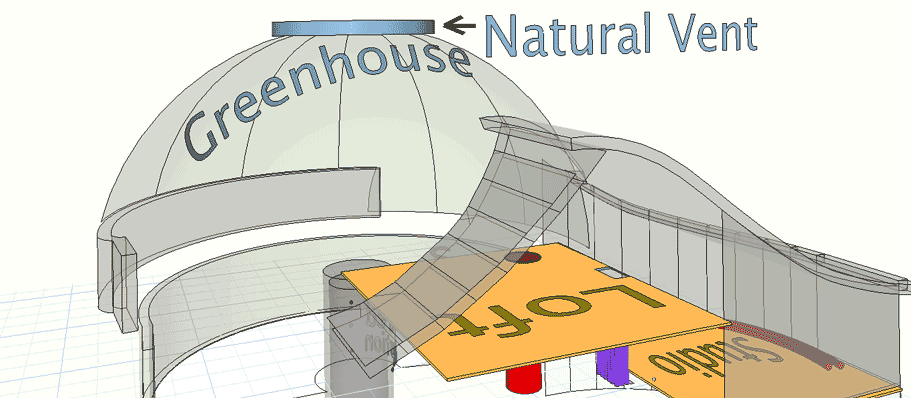
The dome actually encompasses one and a half floors of green house uses. A notable level of plant humidification tends to weigh down dust particles, so that we need not breathe them continuously. Even slow broom sweeping can raise less dust, if we were good house keepers. Very little observation of the old fashioned postal envelopes sealing up due to humidity occurred but never old postal stamps.
When ventilation is needed, the attic greenhouse works like a huge solar chimney forcing exhaust air out the top. We partitioned the dome interior and zoned the climate levels, and recommend that the highest specifications are used even for interior doors and all hatches in weather tightness, and for simplified opening, (or automated opening) , and carefully determined during the construction planning phase. These factors are more efficiently achievable during new construction, as wider selections of improved materials have become available over the years.
Integrally automated fixtures are possible, advisable to attain the best kind of conservational ratings possible. Our worn-out, needy doors, windows and hatches are still functional here after many decades of use, as of the time of this editing in 2026, all of which documents the effectiveness for decades ahead. New construction cold easily optimize low energy ventilation, overall.
Further illustrations will be added like dome top deck, ventilation improvements, besides central chimney, capping details, both actual and newly reasoned. Some were begun and still need finishing, but much is deemed worthy to add here.
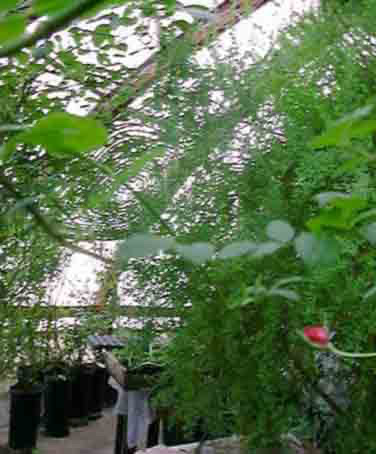
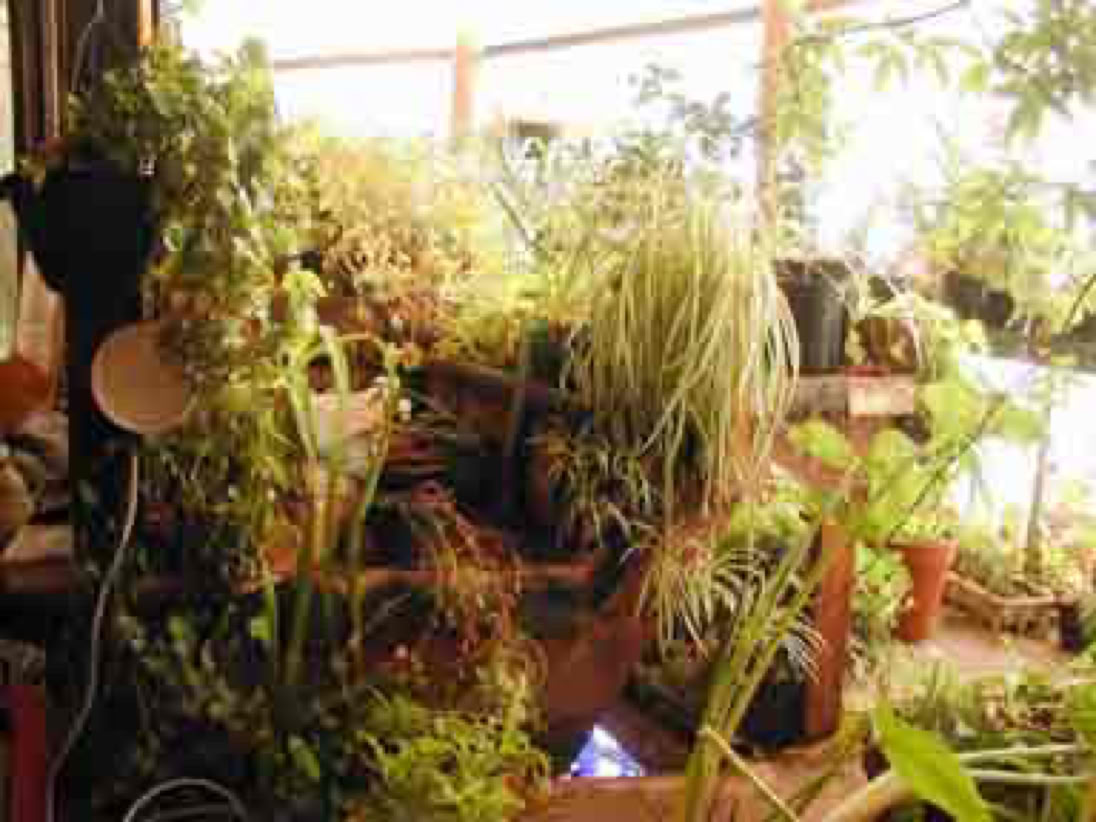
Many layers of plastic serve in an "envelope insulation system" which uses green house (or conservatory) spaces as a "partial thermal insulator". Photo on right shows inside our solar attic rose garden, during its first decade. An Italian saying suggests: "forgive the thorns for the beauty of the rose". The challenge of living inside a greenhouse is climate control. Either some tolerance to tasteful imperfection is required or else climate control expenses are imposed. We chose economical tolerance and happily managed this with low cost, manually opened apex hatch, (continuously for decades).
I promote the exploration of harmonious life styles. This dome is located in a temperate climate with frozen winters, in Maine USA. We read about hydroponics and newer 'aeroponics'. My wife, who tends her floral greenhouse spaces, accepted mostly live soil conditioning, which introduces a complex 'wild' ecosystem. This requires continued work for the tender, and all occupants must adjust to each other’s requirements under the laws of life.
This kind of work provides an alternative, practical exercise. As visionaries, we accepted and interacted with IPM (Integrated Pest Management). We have explored living closely with live ecosystems. Most of the work involves watering, tending to manually operate ventilation hatches, managing plant-invader debris and fostering of beneficials, (the good guys who eat bad guys).
The attic climate swings widely between sun up and down. The attic never freezes nor fries the plants within it. Pesky annoyances are always a concern from insects to recyclable storage, (needed for unpredictable contingencies), as we have explored what is possible without use of commercial pesticides or toxic chemicals. My wife has tried a number of organic remedies,(bio degradable and generally non-toxic). This includes numerous strategies of pest management, especially organisms called beneficials.
Reptilian beneficials prey on pests, within the laws of nature. More evolved creatures can steward less evolved creatures, but accidentally stepping on these lizards killed them unintentionally, as they ran through around house. Another lizard trapped itself between translucent insulation layers, regrettably. Our dear lizards met their inadvertent annihilation by wandering into danger. These illustrate a need for extremely tight seals of solar attic spaces, which is also needed for heat conservation, and to prevent vines from prying their way between translucent layers.
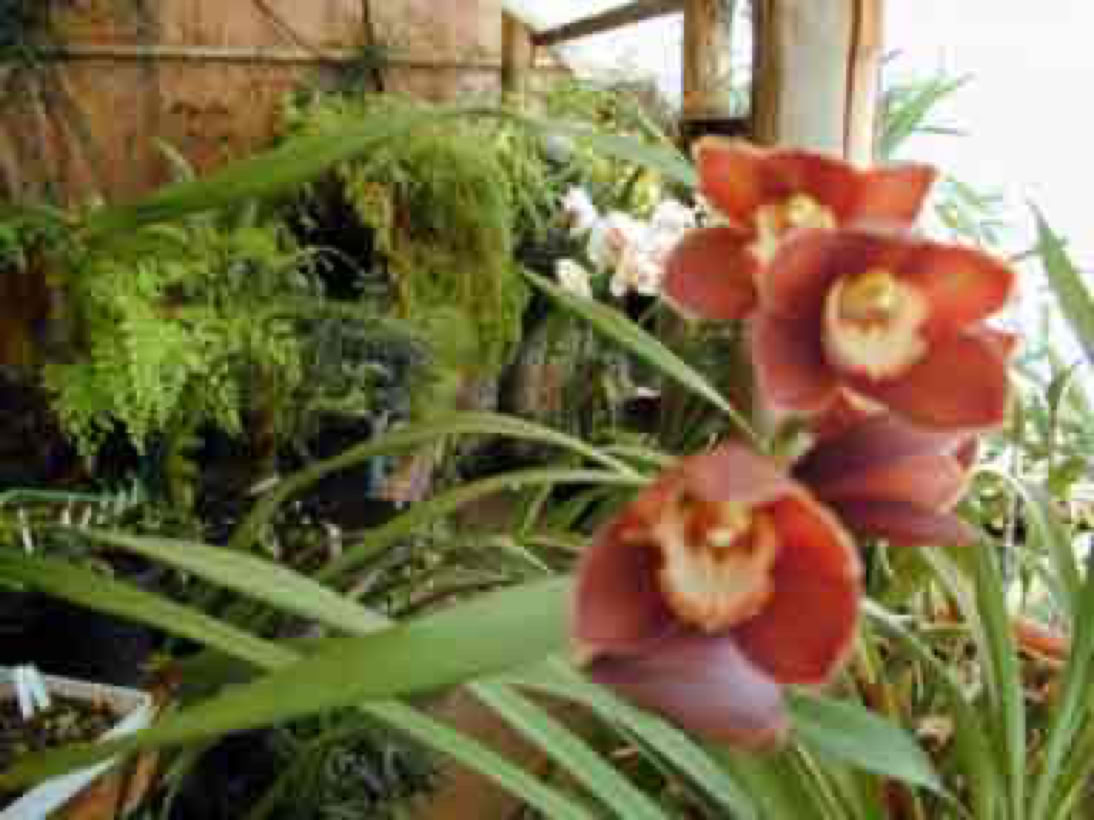
The floors beneath ensconces a smaller orchid greenhouse to the south and other insulated rooms. My wife is primarily interested in flower research. Lack of 100 year sheathing with high insulation values remains a dilemna., on a planet devoted so much to perpetual wars for profits,
We avoid outdoor ventilation during winter due to heat conservation, but cold outdoor air still does penetrate through long aged doors and windows. This is plenty ventilation for fresh air and checking of mildew. Today’s underrated insulation value was yesterday’s adequately valued insulation, comparing the 1960s with 2020s. So few old houses had more than framing thickness air spaces for insulation, with hand plastered interior walls.
For hot days in summer our cooling scheme works well at no utility cost. Kee[p doors closed during daytime hours and opened up during clear-sky nights especially. Cool air steadily vents from the 1st floor up through the open attic vent. Our masonry “stores the coolth, to stabilize day time comfort indoors. This was Alda’s cost free flower cooler for all her big weddings, and kept flowers fresh during days of floral wedding preparations.
Electric fans can use a lot of expensive power. Electric solar has generally been too expensive for extensive installation where newer products might last longer with less attention to maintenance. Ultra violet light treatment and ionized air barely evinced any benefit. I bought a small unit but it could not improve conditions noticeably.
Sadly, the ultra violet sun rays (UV) are filtered out by the dome shelter and the UV also wears out almost any material over time. With patience, society may yet find better, longer-lasting, translucent building sheathing to let sufficient UV in for better indoor growth, (as does the atmosphere). Over 40 years of use, more layers were added to the exterior to stop leaks and wind susceptibility. Clearly this caused reductions of the sun’s light spectrum.
We were glad to see just what we could pioneer. The winters here would demand very specialized, material resiliency. Much more would have required unbelievable budgets, and our life focus has not tapped such large flows of money. Hardship has instead provided me the continuing drive to reached snatisfactory completion points.
Hopefully this page puts a good light on translucent attics in a home. This too boldly experimental for housing markets. I was nevertheless grateful to explore the energizing aspects of this life style while we humans actually do live in failing models of societies, where if competition ended up with greedy wars. I feel we should instead be moved by the necessity to evolve while it is still possible.
The graphics and commentaries of this website are a continuing work in progress by Bo Atkinson in Maine, USA.
(Notice of typo, misalignment etc are very welcome here.)